How to Start Playing Padel
Padel is one of the most accessible racket sports. To start playing, all you need is minimal equipment, a partner, and a willingness to move. This article is a step-by-step guide for anyone looking to step onto the court for the first time.
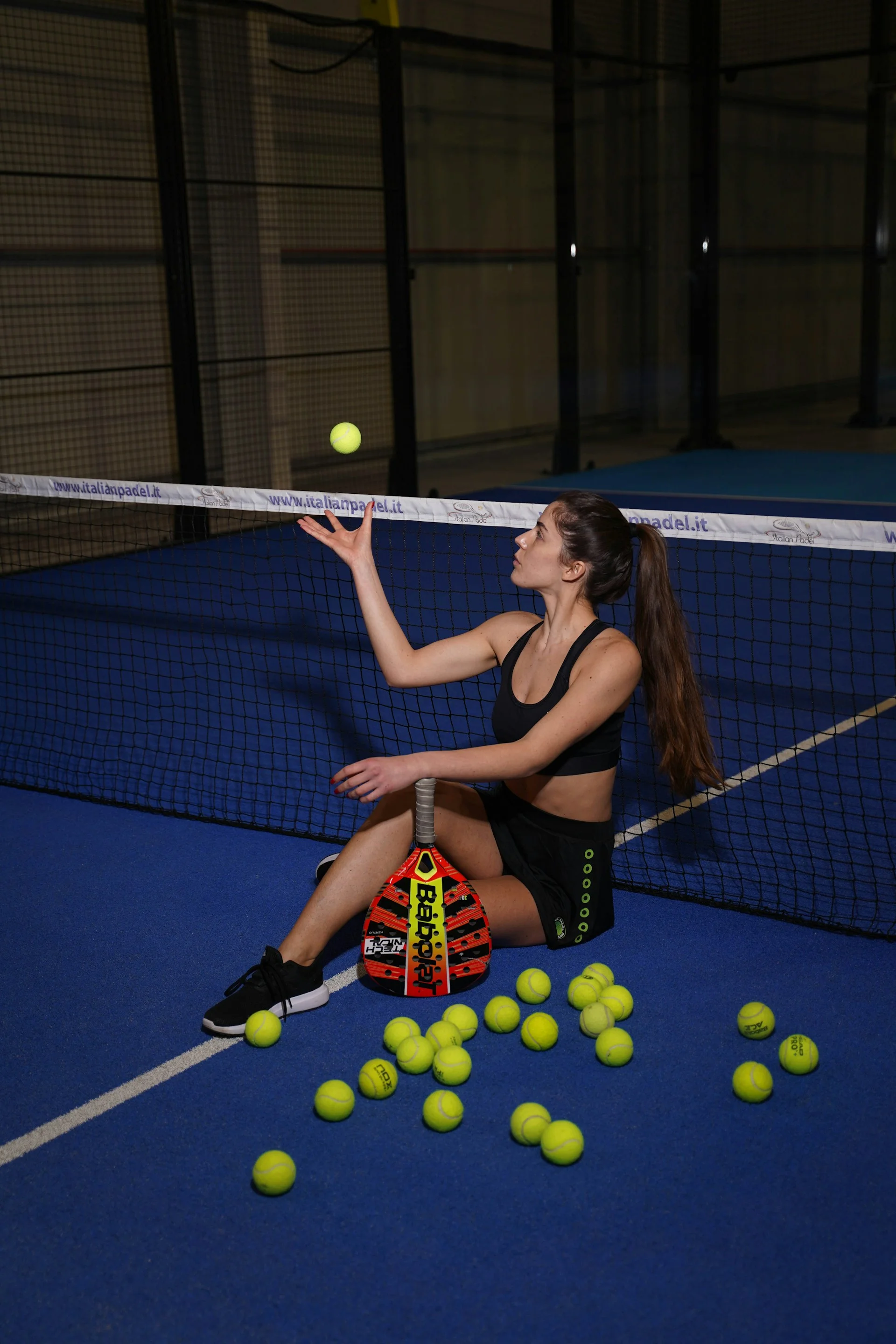
Photo: erjola qerimi / Unsplash
Photo: erjola qerimi / Unsplash / Unsplash LicenseWhat You Will Need
You do not need much for your first time on the court. Here is the essentials checklist:
- A padel racket. Most clubs offer racket rental for your first session — a great option to try the sport without spending upfront. A padel racket is shorter than a tennis racket, has no strings, and is made of composite materials with a perforated surface.
- Balls. Padel balls look similar to tennis balls but have slightly lower pressure, resulting in a lower bounce. Usually balls are provided by the club or split among players.
- Sports shoes. Ideally, specialized padel shoes with a herringbone sole that provides excellent grip on artificial grass. For your first few sessions, any indoor court shoes with non-slip soles will work. Avoid running shoes — they lack lateral support.
- Comfortable sportswear. No special requirements — shorts and a t-shirt or tracksuit depending on the weather.
[EXPERT OPINION] For beginners, round-shaped or teardrop-shaped rackets with a soft EVA core are the best choice — they offer more control and are forgiving on off-center hits. Do not spend more than 50-80 EUR on your first racket — at the beginner level, the difference between a budget and premium model is barely noticeable. For more details, see How to Choose a Racket.
Where to Find a Court
Padel is growing rapidly, and courts are appearing in more and more cities:
- Dedicated padel clubs — the best option. They offer coaching, equipment rental, and a community of players.
- Multi-sport centers — many tennis clubs are adding padel courts to their facilities.
- Booking apps. Services like Playtomic, Matchi, and local alternatives let you find nearby courts, book time slots, and even find playing partners.
If there is no padel court in your area yet, keep an eye out — the number of facilities is growing every year worldwide.
First Steps: Where to Begin
The most common mistake beginners make is jumping straight into a match. Instead, we recommend starting with structured instruction:
- Group lesson — the optimal starting point. A coach will explain the basic rules, show you the grip, stance, and fundamental strokes. In a group of 4-8 people, you will be among fellow beginners, which removes the psychological barrier.
- Private lesson — if you want faster progress or feel self-conscious in a group. Typically, 2-3 private sessions are enough to learn the basics.
- Playing with an experienced friend — if your friend is willing to patiently show you the ropes, this works too, but a coach is more efficient.
After 3-5 training sessions, you can start playing full matches.
Basic Skills to Learn First
Padel is easier to pick up than tennis, but the foundation is built right at the beginning:
- Grip. The continental grip is the standard in padel. Hold the racket as if you are shaking hands with it. This grip allows you to execute most shots without switching.
- Ready position. Face the net, feet shoulder-width apart, knees slightly bent, racket held in front of you at chest level. From this position, you can react quickly to any ball.
- Forehand and backhand. The two fundamental strokes from the right and left sides. In padel, the swing is shorter than in tennis, and control matters more than power.
- Serve. In padel, the serve is underhand — the ball must bounce on the ground before being struck with the racket. This is significantly easier than a tennis serve and is accessible from the very first lesson.
- Playing off the walls. The unique feature of padel — the ball can bounce off the glass walls. Learning to read wall bounces is a key skill that develops with practice.
For more detail, see Basic Rules for Beginners.
Court Etiquette
Padel is a social and partner-based sport. Knowing the etiquette will help you integrate into the community faster:
- Communicate with your partner. Padel is a team game (2 vs 2). Agree on who takes the ball, encourage each other. Calling “Mine!” or “Yours!” is standard practice.
- Collect the balls. After each point, gather the balls on your side and pass them to the serving team. Do not hit balls across the court — roll or toss them gently.
- Switch sides. Players change sides after every odd game (after the 1st, 3rd, 5th, etc.).
- Respect the time. Arrive on time — court time is usually limited. If you are running late, let the others know.
- Be friendly. Padel is valued for its welcoming atmosphere. Do not criticize your partner for mistakes, especially when playing with a beginner.
How Much Does It Cost
Approximate costs to help you plan your budget:
| Expense | Approximate Cost |
|---|---|
| Court rental (1 hour) | 20-60 EUR (for 4 players) |
| Racket rental | 3-5 EUR per session |
| Buying a racket (beginner level) | 30-80 EUR |
| Balls (can of 3) | 5-10 EUR |
| Group lesson | 10-25 EUR per person |
| Private lesson | 30-60 EUR (45-60 min) |
| Padel shoes | 50-150 EUR |
[UNVERIFIED] Prices can vary significantly depending on the region and the level of the club. Data is approximate as of early 2026 for Western Europe.
Per player, court rental works out to 5-15 EUR per hour — comparable to other sports.
Tips for Tennis Players
If you already play tennis, you have a significant advantage — coordination, ball sense, and an understanding of racket sports. But there are key differences to adapt to:
- Shorten your swing. In padel, the walls limit space and the racket is shorter — a long tennis swing will get in the way.
- Underhand serve. Forget about the powerful overhead serve — padel only allows underhand serving. Focus on accuracy and spin instead.
- Walls are your friend. A ball heading toward the wall is not out — it is a continuation of the rally. Learn to wait for the wall bounce instead of trying to intercept every ball in the air.
- Net position. In padel, the winning position is at the net, not at the baseline. Aim to take a position closer to the net together with your partner.
- Less power, more tactics. Padel is a placement game, not a power game. A well-placed lob is more effective than a powerful smash.
Tips for Complete Non-Athletes
Never played a racket sport before? That is not a problem:
- Padel is made for everyone. The court is smaller than a tennis court, the serve is easier, and the walls keep the ball in play longer. Rallies are longer — you have more time to react.
- Start with coordination. In your first sessions, the coach will work on making contact with the ball and basic movement. Do not aim for complex shots right away.
- Do not compare yourself to others. Everyone progresses at their own pace. Many beginners play comfortably after 5-10 sessions.
- Build fitness gradually. Padel is a good cardio workout. If you have not exercised in a while, start with 30-40 minutes on the court and increase gradually.
- Warm up. Before playing, spend 5-10 minutes on a light warm-up — joint mobility, light jogging, stretching. This will reduce the risk of injury.
Building a Regular Playing Routine
Consistency matters more than intensity. Here is how to make padel part of your routine:
- Play 2-3 times per week. This is enough for steady progress. Once a week is the minimum to retain skills.
- Find regular partners. Join your club’s chat group, connect through social media groups, or use apps to find players.
- Alternate training and matches. One coached session plus one or two free play sessions per week is the ideal formula for beginners.
- Track your progress. Pay attention to specific skills: serve consistency, shot accuracy, confidence at the net.
- Join the community. Participate in amateur tournaments and social games (americano format) — this accelerates improvement and makes the sport part of your social life.
For a detailed plan for your first four weeks, see Beginner Training Program.
The light is on for free. But someone has to clean the lantern.
☕ Support on Ko-fi