Padel Balls
A padel ball looks similar to a tennis ball but has lower pressure, resulting in a lower, more controlled bounce. This is one of the reasons why padel differs from tennis in rally dynamics.
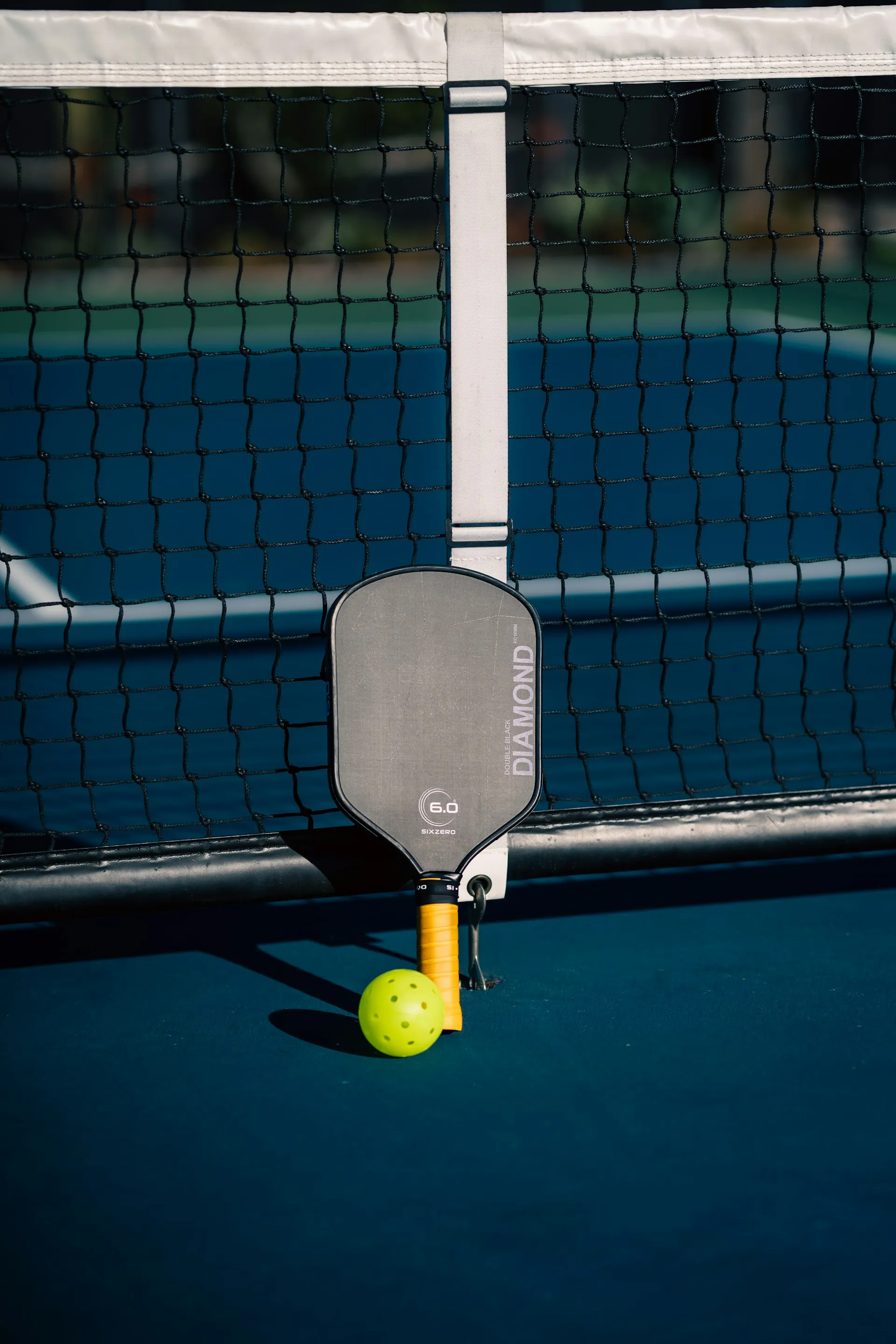
Description
A padel ball is a yellow, spherical ball with a felt covering. According to FIP standards, it must meet these specifications:
| Parameter | Value |
|---|---|
| Diameter | 6.35–6.77 cm |
| Weight | 56–59.4 g |
| Bounce | 135–145 cm (when dropped from 2.54 m onto a hard surface) |
| Internal pressure | 4.6–5.2 kg/cm² |
| Colour | Yellow or white |
By comparison, a tennis ball has a pressure of 5.5–6.4 kg/cm² and a higher bounce. The reduced pressure makes padel balls slower and more predictable — ideal for play in the enclosed space of a court.
How to Choose
Approved Balls
Only FIP-approved balls are used for official tournaments. Major brands include:
- Head (Padel Pro, Padel Pro S) — official ball of Premier Padel
- Bullpadel (Premium Pro) — popular in Spain
- Wilson (Padel Rush, X3) — good value for money
- Babolat (Padel+) — consistent pressure
What to Look For
- Pressure. New balls from a can have optimal pressure. Balls without a can (in bags) may have already lost some pressure.
- Felt covering. Should be even, with no bald spots.
- Can. A sealed can preserves pressure. A hiss when opening indicates integrity.
- Altitude. At courts located at high altitude, the ball bounces higher. Some manufacturers produce special “high-altitude” balls.
Types and Classification
By Pressure
- Pressurised: balls with internal pressure. Supplied in sealed cans of 3. Optimal play for the first 2–4 hours.
- Pressureless: the ball gets its elasticity from wall thickness. Retains characteristics longer but feels less comfortable. Suitable for training.
By Speed
- Fast: for slow surfaces and cold weather
- Standard (Regular): for most conditions
- Slow (Padel+): for fast surfaces and hot weather
Recommendations by Level
- Beginner: any standard balls. No need to pay extra for tournament-grade — the difference is imperceptible at entry level.
- Intermediate: canned balls from reputable brands. Change balls every 2–3 matches.
- Advanced: tournament balls (Head Padel Pro, Bullpadel Premium Pro). A fresh can for every match.
Care and Replacement
When to Change Balls
Padel balls lose pressure faster than tennis balls due to their initially lower pressure:
- Tournaments: a fresh can for every match
- Recreational play: every 2–4 matches (6–12 hours)
- Training: balls can be used until the felt wears off
Signs of a Worn Ball
- Low bounce (below knee height when dropped from an outstretched arm)
- A “dead” feel on impact
- Worn felt
- The ball doesn’t produce the characteristic “ping” when squeezed
Storage
- Unopened cans keep for up to 2 years
- Opened balls can be placed in a pressuriser to extend their life
- Do not store in heat or frost
Frequently Asked Questions
Can you play padel with tennis balls? Technically yes, but it’s not recommended. Tennis balls bounce too high and fast for the enclosed court, disrupting rally dynamics.
How many balls do you need for a match? The standard is 3 balls (one can). For longer sessions, it’s better to have 2 cans.
If this article was useful — help us write the next one.
☕ Support on Ko-fi