Common Injuries in Padel
Padel is considered a sport with a relatively low injury rate, but its specific movements — sharp turns, overhead shots, and lateral shuffles — put stress on certain joints and muscles. Knowing the typical injuries and prevention methods helps you play safely for years.
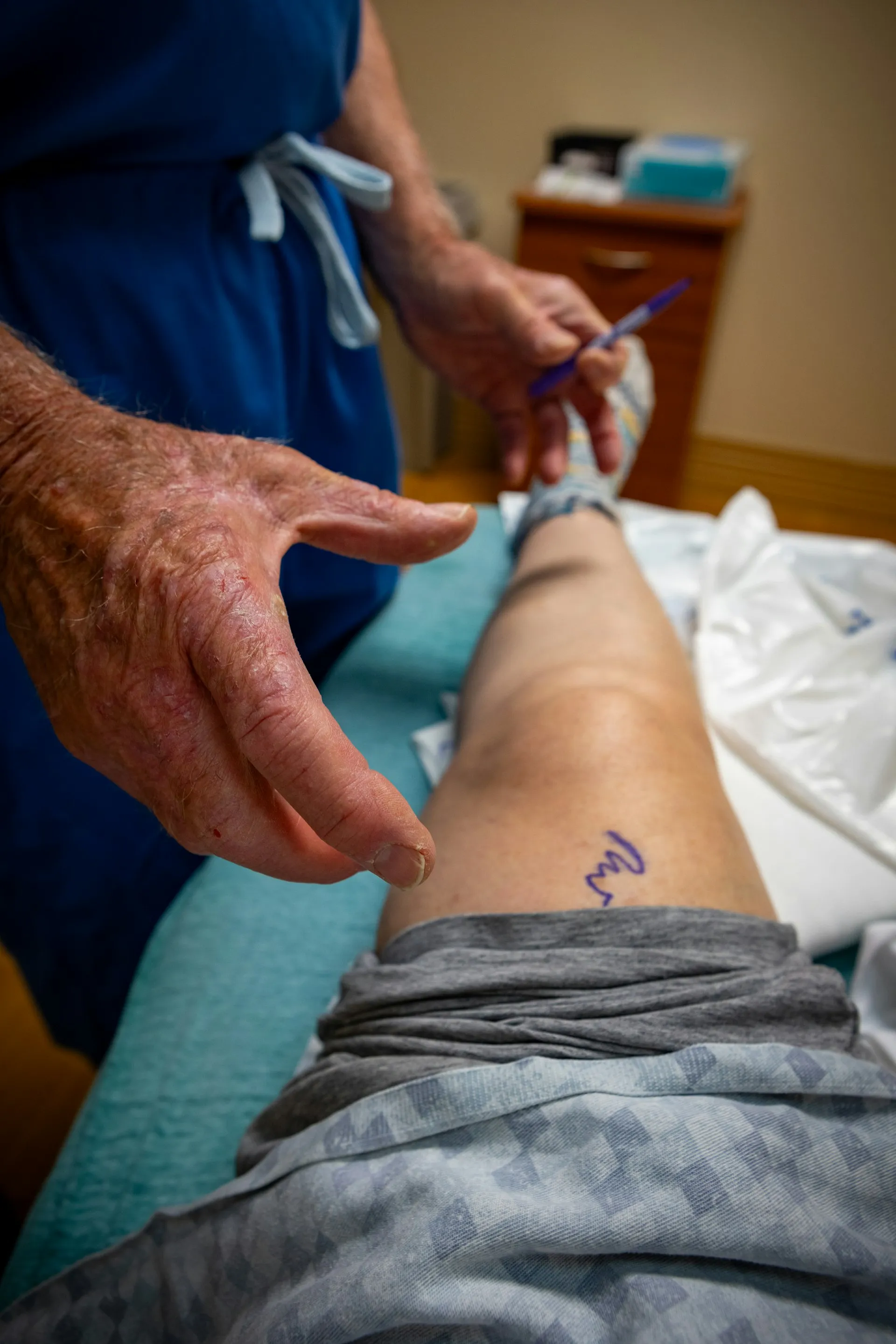
The Big Picture
Research shows that injuries in padel occur less frequently than in tennis, squash, or badminton. The enclosed court limits running distance, and the underhand serve reduces shoulder load. Nonetheless, regular play without proper preparation and prevention leads to common problems.
Injury Statistics
| Body Area | Share of Injuries |
|---|---|
| Lower limbs | ~50% |
| Upper limbs | ~30% |
| Back / torso | ~15% |
| Head / face | ~5% |
Lower Limb Injuries
Ankle Sprain
The most common injury in padel. Occurs during sharp lateral movements, especially on wet or sandy surfaces.
Symptoms: pain around the ankle, swelling, restricted mobility.
Causes:
- Unsuitable footwear (running shoes without lateral support)
- Insufficient warm-up
- Weak ankle muscles
- Poor movement technique
Prevention:
- Specialised padel shoes with lateral support
- Balance exercises (single-leg stance, BOSU ball)
- Taping if predisposed
- A thorough warm-up with dynamic stretching
Knee Injuries
Linked to sudden stops, pivots, and deep squats (when playing from the back wall).
Typical issues:
- Patellar tendinitis (“jumper’s knee”)
- Ligament sprains (MCL, ACL)
- Patellofemoral pain
Prevention:
- Strengthen the quadriceps and hamstrings
- Proper footwork technique — bend the knees, not the back
- Compression knee braces at the first sign of trouble
- Body-weight management
Calf Muscle Injuries
Tears and strains of the calf muscle are a frequent issue for players over 35–40.
Cause: sudden starts and accelerations, especially with “cold” muscles.
Prevention:
- Thorough warm-up (at least 10 minutes)
- Calf stretching before and after play
- Compression socks
- Gradual increase in workload
Upper Limb Injuries
Tennis Elbow (Lateral Epicondylitis)
The most common upper-limb injury in padel players. Inflammation of the tendons on the outer side of the elbow.
Symptoms: pain when gripping, twisting the wrist, or hitting. Worsens during volleys and backhands.
Causes:
- An overly heavy or stiff racket
- Incorrect grip — squeezing too tightly
- Hitting mainly with the arm, without body rotation
- Playing too frequently without recovery
Prevention:
- A racket of suitable weight with a soft core (EVA)
- Correct grip — relaxed hand between shots
- An overgrip of adequate thickness (not too thin)
- Forearm strengthening exercises (towel wringing, wrist curls with a dumbbell)
- An elbow brace at the first sign of symptoms
Shoulder Injuries
Associated with overhead shots — bandeja, víbora, smash.
Typical issues:
- Shoulder impingement syndrome
- Supraspinatus tendinitis
- Bursitis
Prevention:
- Correct overhead technique — rotate the body, not just the arm
- Rotator-cuff strengthening (internal/external rotation with resistance bands)
- Shoulder stretching
- Never play through pain
Wrist Injuries
Occur from mishits when the ball catches the racket’s edge, and from unpredictable wall rebounds.
Prevention:
- A wrist strap on the racket (mandatory under FIP rules)
- A relaxed grip
- Forearm strengthening
Back Injuries
Lower-Back Pain
Caused by frequent bending, twisting, and hitting in a low position.
Prevention:
- Bend at the knees, not the waist
- Core strengthening (plank, dead bug, bird-dog)
- Post-match stretching
- Technique check
Prevention: General Principles
Warm-Up (Essential!)
At least 10–15 minutes before every match:
- Light jog (3–5 min) — raise your heart rate
- Joint mobility (3 min) — shoulder, wrist, and ankle rotations
- Dynamic stretching (5 min) — lunges, leg swings, torso twists
- Ball bouncing (2–3 min) — adapt to the racket
Cool-Down
After play — 5–10 minutes of static stretching:
- Calves
- Quadriceps and hamstrings
- Shoulders and chest
- Forearms and wrists
Playing Routine
- Beginners: no more than 2–3 matches per week with recovery breaks
- If pain appears — stop; do not “play through pain”
- Adequate sleep and hydration
Proper Equipment
- Shoes with lateral support and cushioning
- A racket of suitable weight and stiffness
- An overgrip for a secure hold
When to See a Doctor
Seek sports-medicine advice immediately if:
- Acute pain does not subside after rest
- Swelling has not reduced within 48 hours
- A joint feels unstable (knee “gives way”, ankle “rolls”)
- Numbness or tingling
- Pain interferes with everyday activities
The light is on for free. But someone has to clean the lantern.
☕ Support on Ko-fi