Fitness and Conditioning for Padel
Padel demands a blend of endurance, agility, and strength. A well-structured off-court conditioning programme not only improves your game but also significantly reduces the risk of injury, helping you enjoy padel for years to come.
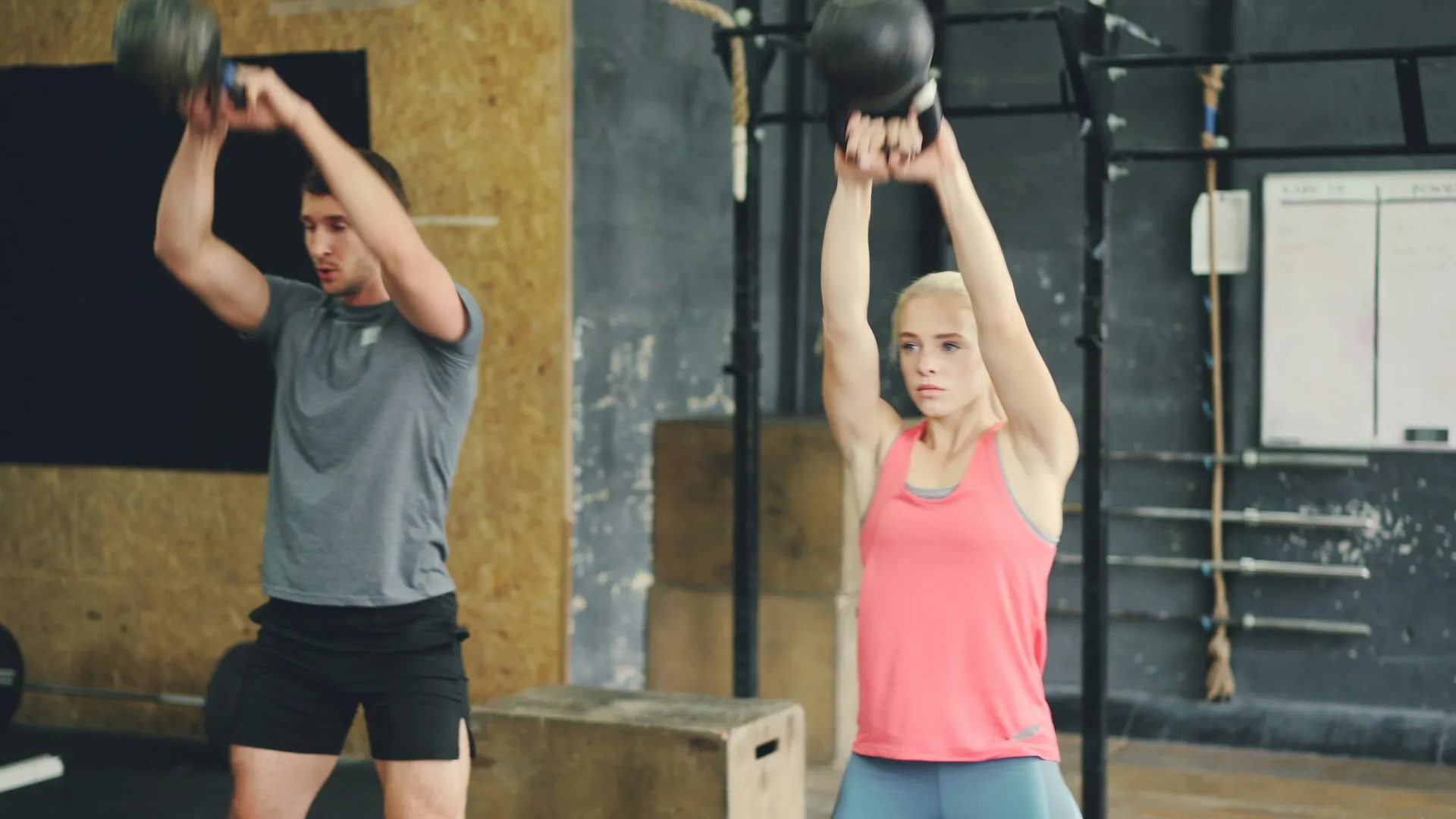
Photo: Vitaly Gariev / Unsplash / Unsplash License
Physical Demands of Padel
Padel is a dynamic sport that places complex demands on a player’s fitness. Understanding these demands helps you build an effective training programme.
Endurance. A match can last anywhere from 60 to 120 minutes. An aerobic base is essential for maintaining concentration and shot quality throughout the entire game.
Lateral agility. Padel is, above all, a sport of lateral movement. Players constantly shuffle side to side, covering a court width of 10 metres. The ability to change direction quickly is a key skill.
Shoulder and wrist strength. Overhead shots (bandeja, vibora, smash) require stable shoulders, while racket control depends on strong forearms and wrists.
Reaction speed. Net exchanges take place at a distance of just 3–4 metres from the opponent. Fast reactions and hand-eye coordination are critical for successful volleying.
Explosive leg power. Sudden starts, stops, and jumps all require well-developed lower-limb muscles.
Cardiovascular Training
Padel is characterised by interval-style effort: short bursts of high intensity alternate with recovery periods. Your cardio programme should mirror this rhythm.
HIIT (High-Intensity Interval Training)
The best format for simulating match rhythm:
- 20 seconds of maximum effort + 40 seconds of rest — 8–10 rounds
- Exercises: burpees, jump squats, sprint on the spot, mountain climbers
- Frequency: twice a week
Running and Cycling
- Running: 20–30 minutes at a moderate pace, 1–2 times a week
- Cycling / elliptical trainer: 30–40 minutes — a joint-friendly alternative
- Skipping rope: 10–15 minutes — excellent for coordination and endurance
Strength Exercises
Strength training reinforces muscles and joints, boosting shot power and protecting against injury.
Core Exercise Programme
| Exercise | Muscle Group | Sets | Reps |
|---|---|---|---|
| Dumbbell squats | Quadriceps, glutes | 3 | 12–15 |
| Lateral lunges | Legs, stabilisers | 3 | 10 per leg |
| Plank | Core (abs and lower back) | 3 | 30–60 sec |
| Standing dumbbell press | Shoulders, triceps | 3 | 10–12 |
| Wrist curls with dumbbell | Forearms | 3 | 15–20 |
| Band face pull | Rear delts, rotators | 3 | 12–15 |
| Dead bug | Deep core muscles | 3 | 10 per side |
| Band rotation | Rotator cuff | 2 | 15 per side |
Recommendations
- Beginners should use light weights with an emphasis on form
- [EXPERT OPINION] Rotator-cuff exercises are an essential part of every padel player’s programme
- Increase load gradually (no more than 10% per week)
Developing Agility
Agility and the ability to change direction quickly are what set a good padel player apart. You can train these qualities with simple drills.
Agility Ladder
- High-knee run — through each rung
- Lateral shuffles — simulating court movement
- In-In-Out-Out — two steps in, two steps out
- 3–4 sets of each drill
Cone Drills
- Place 5 cones in a line, 1.5 metres apart
- Slalom between cones at speed
- Shuttle run: touch the cone and return to the start
- Simulate footwork patterns used at the net
Reaction Ball
- Throw the ball against a wall and catch it after an unpredictable bounce
- Excellent for developing reaction time and coordination
- 3 sets of 2 minutes
Weekly Programme
[EXPERT OPINION] Three off-court sessions per week, in addition to on-court practice, is the optimal approach.
| Day | Session Type | Duration | Content |
|---|---|---|---|
| Monday | Strength + Core | 45 min | Squats, lunges, plank, standing press, rotator work |
| Wednesday | Cardio + Agility | 40 min | HIIT 20 min + ladder and cone drills 20 min |
| Friday | Strength + Flexibility | 45 min | Wrist curls, band pulls, dead bug + stretching 15 min |
In addition:
- Tuesday / Thursday — on-court practice
- Saturday — light cardio (running, cycling) or active recovery
- Sunday — complete rest
Nutrition and Hydration
Proper nutrition is the foundation of athletic performance and recovery.
Key Principles
- Carbohydrates 2–3 hours before play: pasta, rice, wholegrain bread — your energy source
- Protein after training (within one hour): chicken, fish, eggs, legumes — for muscle recovery
- Fruit and vegetables — at least 5 portions a day for vitamins and antioxidants
- Avoid heavy meals immediately before play
Hydration
- Drink 400–600 ml of water 2 hours before play
- During a match — 150–200 ml every 15–20 minutes
- After play — replenish fluid loss (at least 500 ml)
- In hot weather, use isotonic drinks to replace electrolytes
Recovery
Recovery is just as important a part of the training process as the work itself.
Sleep
- 7–9 hours of quality sleep is the cornerstone of recovery
- Try to go to bed and wake up at the same time each day
- Avoid screens for an hour before bed
Foam Rolling
- Roll the major muscle groups after every session: 1–2 minutes per area
- Key areas: calves, quadriceps, IT band (outer thigh), upper back
Active Recovery
- On rest days — light walking, swimming, or yoga
- Static stretching after every match (10–15 minutes)
- Contrast showers to improve circulation
Signs of Overtraining
Take a break and reduce your load if you notice:
- Persistent fatigue that does not ease after rest
- A decline in playing quality
- Frequent colds
- Joint pain unrelated to a specific injury
- Disrupted sleep
If this article was useful — help us write the next one.
☕ Support on Ko-fi