Padel was invented in 1969 by Mexican businessman Enrique Corcuera, who adapted a squash-like area at his home in Acapulco. In just over half a century, this sport has grown from a backyard pastime into a global phenomenon with more than 35 million players.
The history of padel is generally traced back to 1969, when Mexican entrepreneur Enrique Corcuera built a court on the grounds of his estate “Las Brisas” in Acapulco, Mexico.
Corcuera wanted to create a tennis-like game area, but the space was limited by surrounding walls. Instead of fighting the constraints, he made the walls part of the game. Thus “Paddle Corcuera” — the ancestor of modern padel — was born.
Key features of the first court:
A 20 × 10 metre playing area (these dimensions remain unchanged today)
Walls around the perimeter
Rules based on tennis but allowing wall bounces
An underhand serve
Spain: Alfonso de Hohenlohe-Langenburg
In 1974, Corcuera’s friend, the Spanish-German aristocrat Alfonso de Hohenlohe-Langenburg, brought the idea of padel to Marbella (Spain). He built the first courts at his Marbella Club hotel on the Costa del Sol.
Hohenlohe-Langenburg made important changes:
Replaced solid walls with glass panels — for spectator visibility
Refined the rules
Began organising the first tournaments among hotel guests
Marbella became the launch pad for padel’s spread across Spain and Europe.
Argentina: A Mass Sport
In parallel with Spain, padel began to develop in Argentina. During the 1970s–1980s, Argentinians embraced the new sport en masse. Argentina became the first country where padel gained truly mass participation:
Thousands of clubs nationwide
Professional leagues from the 1980s
The Argentine school of padel — one of the strongest in the world
Argentine players dominated world padel for decades
Timeline
Year
Event
1969
Enrique Corcuera builds the first court in Acapulco
1974
Alfonso de Hohenlohe-Langenburg brings padel to Marbella
1970s
Padel spreads across Argentina
1980s
First professional tournaments in Argentina
1991
FIP (International Padel Federation) founded
1992
First World Padel Championship (won by Argentina)
2000s
Padel boom in Spain — thousands of courts built
2005
World Padel Tour (WPT) created in Spain
2013
FIP reaches 25 member countries
2022
FIP and Premier Padel launch a new international tour
2024
Padel considered as a candidate for the Olympic Games
2025
100+ national federations, 35+ million players, 77,300+ courts worldwide
FIP and Globalisation
The International Padel Federation (FIP) was founded in 1991 and became the governing body of world padel. FIP:
In 2022, FIP together with Qatar Sports Investments launched Premier Padel — a new global tour with Major tournaments on four continents.
Padel Today
According to the FIP World Padel Report 2025:
35+ million active players worldwide
100+ national federations
77,300+ courts in 110+ countries
Spain leads in court numbers (~24,000)
Player numbers growing 30–40% annually in Europe
Padel is the fastest-growing racket sport in the world
Padel is expanding rapidly in Scandinavian countries (Sweden has over 5,000 courts), Italy, the United Kingdom, France, and Middle Eastern nations.
Frequently Asked Questions
Why is the sport called “padel” and not “paddle”?
The English word “paddle” describes the racket shape. In Spanish, it was adapted as “pádel”. The international spelling per FIP standards is padel (no accent, no double “d”).
Is padel in the Olympic Games?
[UNVERIFIED] As of 2025, padel is not part of the Olympic programme, but FIP is actively lobbying for its inclusion. Padel has been recognised by the International Olympic Committee (IOC).
Where is padel most popular?
Spain remains the leader in court numbers and players. It is followed by Argentina, Italy, Sweden, and Portugal.
Spain is the undisputed world capital of padel. With over 17,000 courts and roughly 6 million players, padel has become the country’s second most popular sport after football, transforming from an elite pastime on the Costa del Sol into a national phenomenon.
The history of padel in Spain begins with one man — Alfonso de Hohenlohe-Langenburg, a Spanish-German aristocrat and owner of the legendary Marbella Club hotel on the Costa del Sol.
In 1974, after visiting Enrique Corcuera in Mexico, Hohenlohe was so taken with the new game that he decided to bring it to Spain. He built the first two courts at his hotel in Marbella. Among the first players were hotel guests drawn from European aristocracy, business leaders, and celebrities, including the legendary Spanish tennis player Manolo Santana — a four-time Grand Slam champion.
New courts soon began to appear along the Costa del Sol. In 1975, Argentine millionaire Julio Menditeguia discovered padel in Marbella and took the sport to his home country — sparking a parallel boom on another continent.
The 1990s Boom
Throughout the 1980s, padel spread gradually across Spain but remained largely a pastime for the well-to-do on the southern coast. Everything changed in the early 1990s.
Key milestones:
1992 — the Spanish Padel Federation (FEP) was founded, giving the sport official standing
1993 — padel was officially recognised by Spain’s Superior Council of Sports (Consejo Superior de Deportes)
A wave of court construction swept the country — from Andalusia to Catalonia, from Madrid to the Basque Country
The first professional tournaments were held on Spanish soil
[UNVERIFIED] By the end of the 1990s, Spain had more than 5,000 courts and over one million regular players.
Several factors drove padel’s transformation from an elite sport to a mass phenomenon:
Affordability: a padel court is cheaper to build and maintain than a tennis court
Social format: the doubles-only format (always four players) is perfect for groups of friends
Easy entry: basic skills are learned faster than in tennis
Climate: Spain’s mild weather allows year-round play
Spain — the World Capital
Today Spain leads the world of padel across every key metric.
Statistics
Metric
Figure
Number of courts
~17,300 (1st in the world)
Number of players
~6 million
Registered clubs
3,500+
Ranking among sports
2nd (after football)
Courts per capita
Among the highest in the world
According to the FIP World Padel Report 2025, Spain remains the absolute global leader in court numbers, ahead of Italy (10,220) and Argentina (7,000). In mature markets such as Spain, the number of padel courts has already surpassed the number of tennis courts.
The Culture of Padel
In Spain, padel is more than a sport. It is a social phenomenon and an integral part of everyday life.
Afterwork Padel
One of the most distinctive features of Spanish padel culture is “afterwork padel.” After the working day, colleagues and friends gather on court for a match that ends with dinner or drinks together. Booking a court for Thursday or Friday evening is as much a part of the social routine as going to a bar.
A Sport for Everyone
Age: players range from children of 5–6 to retirees in their 70s
Gender: padel is one of the few sports with near-equal male and female participation
A family sport: parents play alongside children; family leagues exist
A corporate sport: inter-company tournaments are common practice
Infrastructure
Padel clubs in Spain are full-fledged social centres with cafes, equipment shops, lounge areas, and playgrounds. Many municipalities build public courts available for booking at a minimal fee.
The Role of Stars
Spanish and Argentine champions competing in Spain have played a huge role in popularising the sport.
Fernando Belasteguin is considered by many to be the greatest padel player of all time. An Argentine who made Spain his second home, he held the world number-one ranking for 16 consecutive years and won 230 tournament titles. His career inspired a generation of Spanish players.
Carolina Navarro is one of the greatest Spanish padel players. Partnering with Cecilia Reiter, she dominated women’s padel from 2010 to 2014, winning 24 titles including the prestigious 2012 Master Final.
Gemma Triay, from Menorca, is one of the most dynamic and aggressive players on the current tour. Her powerful smashes and passionate on-court presence have won fans worldwide.
Arturo Coello is a rising star of Spanish padel. At just 23, partnering with Argentine Agustin Tapia, he reached the world number-one ranking, proving that the next generation of Spanish players is ready to carry the sport forward.
Current Status
Padel continues to grow in Spain and to consolidate its position as the country’s second most popular sport.
Premier Padel holds key tournaments in Spain, including the season-ending finals in Barcelona
The Spanish women’s team has won multiple World Padel Championships
Major sports brands (Adidas, Head, Bullpadel, Nox) have headquarters or key offices in Spain
Television broadcasts of matches attract audiences in the millions
Padel has been included in school sports programmes in several regions
[UNVERIFIED] Some estimates suggest that Spain could have more than 25,000 courts by 2030.
Growth Timeline
Period
Event
1974
Alfonso de Hohenlohe builds the first two courts in Marbella
1975
Julio Menditeguia takes padel from Marbella to Argentina
Late 1970s
First clubs beyond the Costa del Sol
1980s
Gradual spread across southern Spain
1992
Spanish Padel Federation (FEP) founded
1993
Padel officially recognised as a sport
1990s
Mass boom: thousands of courts built
2005
World Padel Tour (WPT) created — a professional tour based in Spain
2010s
Padel becomes the second most popular sport after football
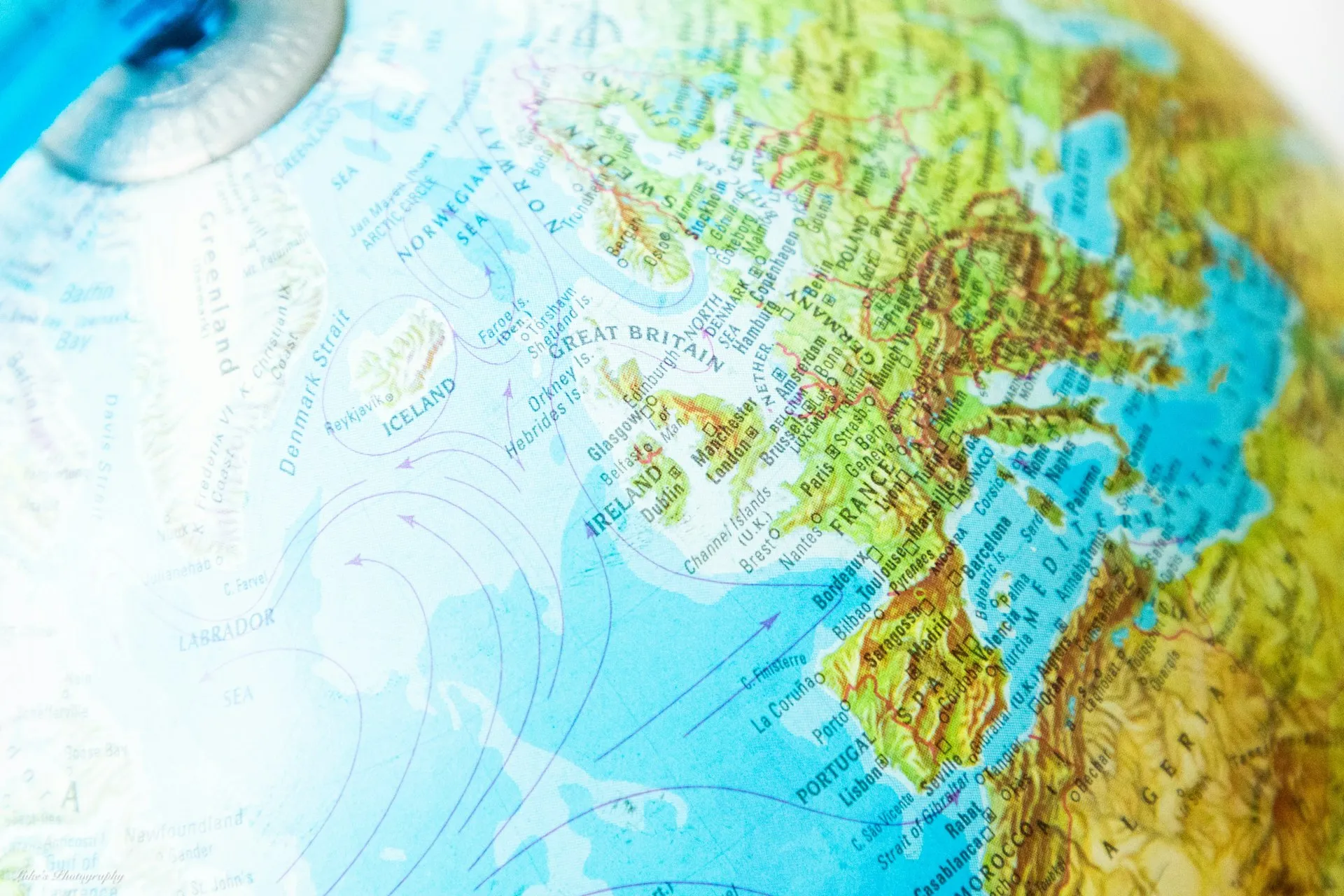
From a private courtyard in Acapulco, padel has spread to six continents in half a century. Each region has brought its own flavour: Argentina — mass participation, Spain — infrastructure, Scandinavia — year-round indoor courts.
The global rise of padel can be divided into three waves:
Wave
Period
Regions
First
1970s–1990s
Mexico, Argentina, Spain
Second
2000–2015
Portugal, Brazil, UAE, Italy
Third
2015–present
Scandinavia, UK, France, USA, Asia
Latin America
Argentina
The birthplace of mass padel. By the 1980s, thousands of clubs operated across the country. The Argentine school has produced legendary players and coaches.
Courts: ~7,000 (FIP data, 2024)
Highlight: padel is the second-most popular sport after football
[UNVERIFIED] ~1.4 million registered players (FIP data)
Brazil
Growth began in the 2000s. Major cities (São Paulo, Rio de Janeiro) became development hubs.
Courts: ~3,000
Highlight: active new construction, strong youth interest
Mexico
The country where padel was born. Despite its historical primacy, mass adoption lags behind Argentina and Spain.
Courts: ~1,000
Highlight: focus on resort areas and the capital region
Europe
Spain
The undisputed leader in infrastructure. See Padel in Spain for details.
Courts: ~17,000 (2024, +5% YoY)
Players: ~6 million
Highlight: padel is embedded in the culture, available in every city
Sweden
Phenomenal growth between 2015 and 2025. The cold climate drove massive construction of indoor courts.
Courts: ~4,200
Highlight: the vast majority of courts are indoor; padel centres as a business model
[UNVERIFIED] Sweden has the second-highest number of courts per capita in Europe after Spain
Italy
Rapid growth since 2018. Clubs are opening all over the country, from Milan to Sicily.
Courts: ~10,000+ (2025, surpassed Sweden)
Highlight: high demand, active investment environment
Finland
A model similar to Sweden — predominantly indoor courts in urban areas.
Courts: ~1,500
Highlight: strong ties to tennis clubs, combined facilities
United Kingdom
Active growth since 2020, supported by the LTA (Lawn Tennis Association).
Courts: ~760+ (2024), growing fast
Highlight: many tennis clubs are adding padel courts to their existing infrastructure
France
Growth accelerated in 2022–2025. The French Tennis Federation (FFT) has integrated padel into its structure.
Courts: ~2,500
Highlight: government-level support through sports federations
Portugal
Geographic and cultural proximity to Spain ensured early adoption.
Courts: ~2,000
Highlight: popular in coastal resort areas
Middle East
UAE and Qatar
Extreme heat has led to a dominance of indoor courts (~70%).
Highlight: premium facilities, hosting Premier Padel events
Qatar is a strategic FIP partner through Qatar Sports Investments
North America
USA
[UNVERIFIED] Padel still trails pickleball in popularity, but interest is growing. Main hubs: Miami, Los Angeles, New York, Texas.
Courts: ~700 (2025, rapid growth)
Highlight: competing with pickleball for the racquet-sports audience
Asia
The least developed region, but growing:
Japan: ~50 courts, supported through tennis clubs
India, Thailand, China: a handful of venues, pilot projects
What Drives Growth?
Why is padel spreading so fast?
Low barrier to entry — you can start playing after one session
Social format — doubles on a compact court encourages interaction
Space-efficient — a court requires less room than a tennis court
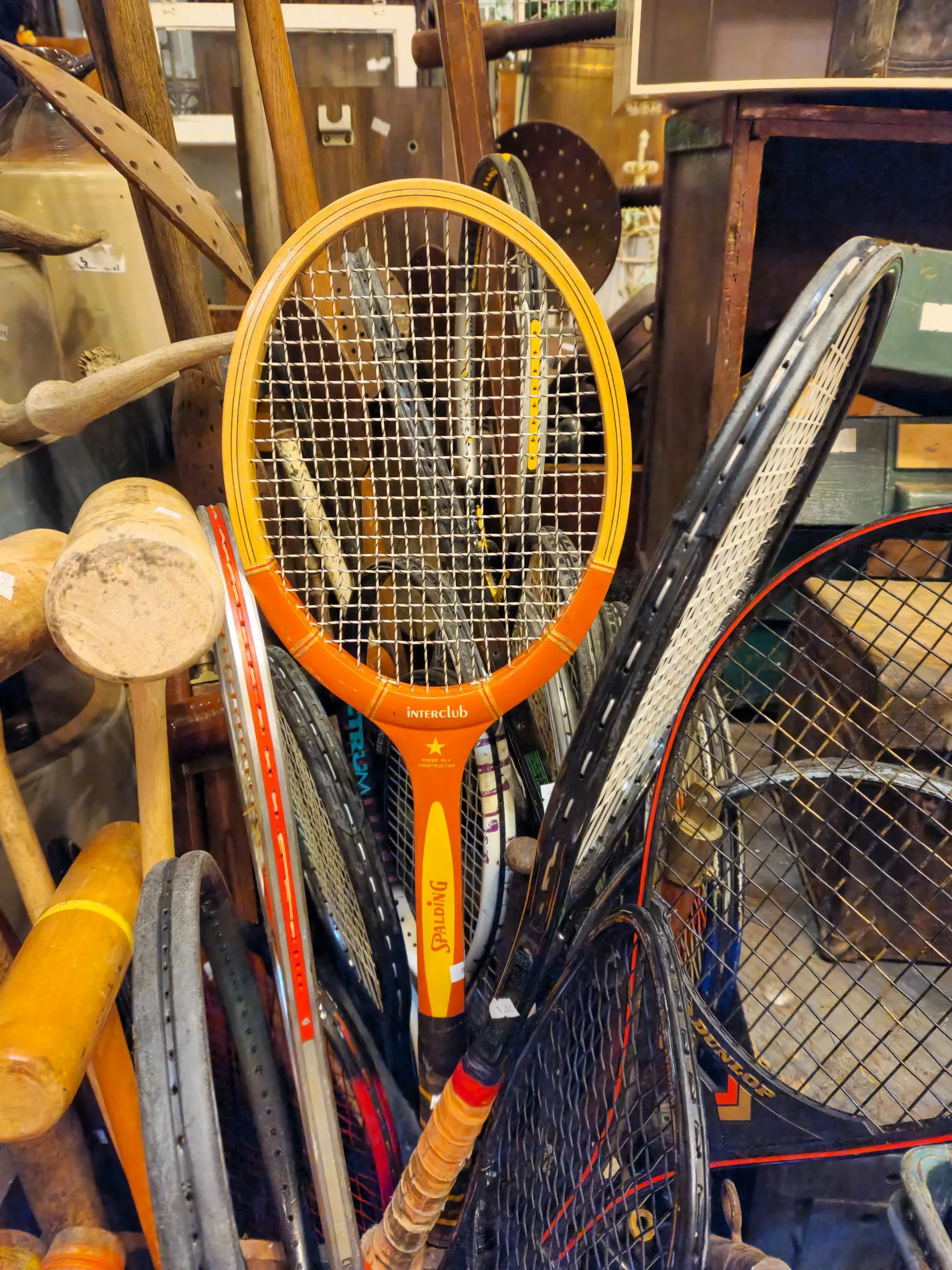
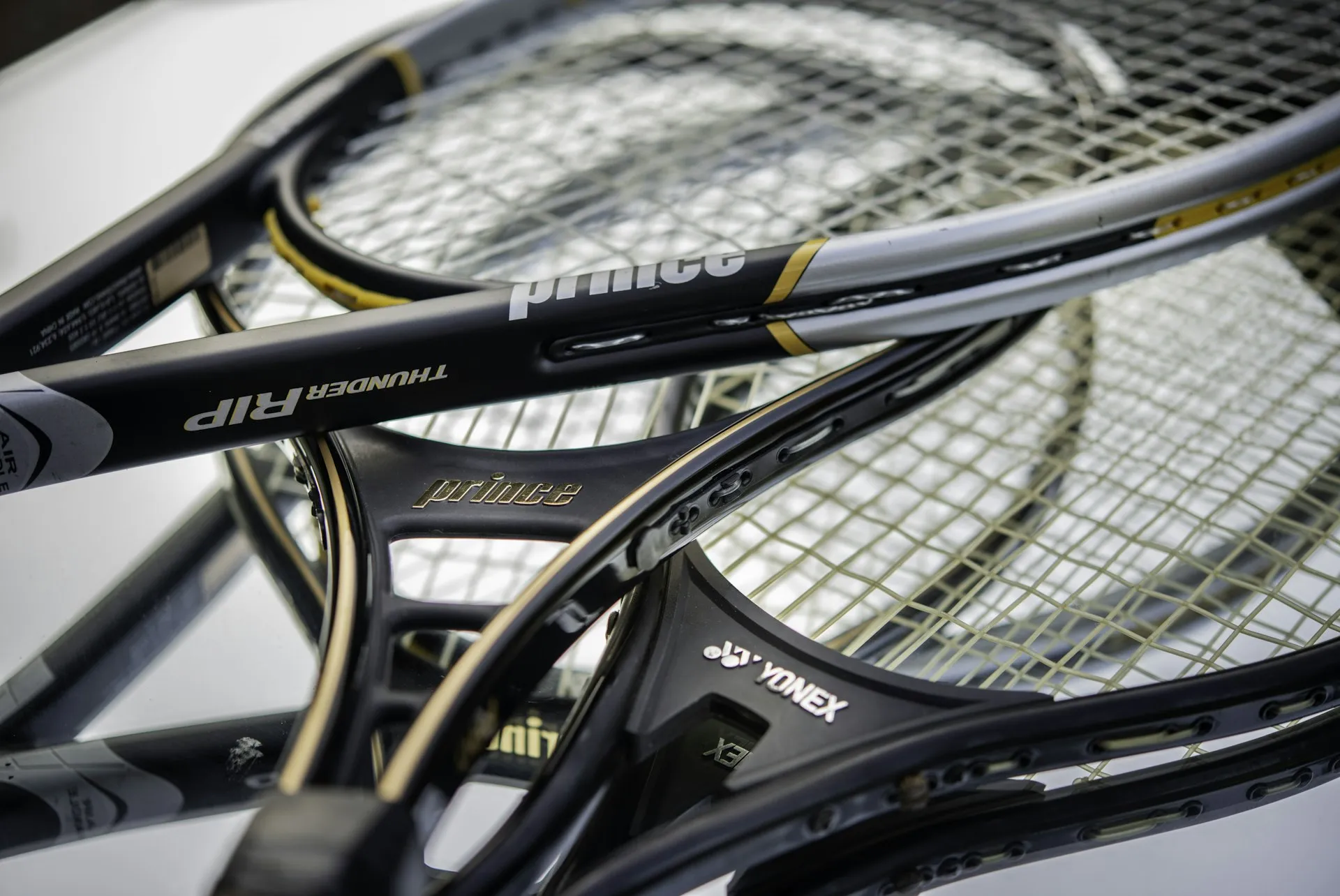
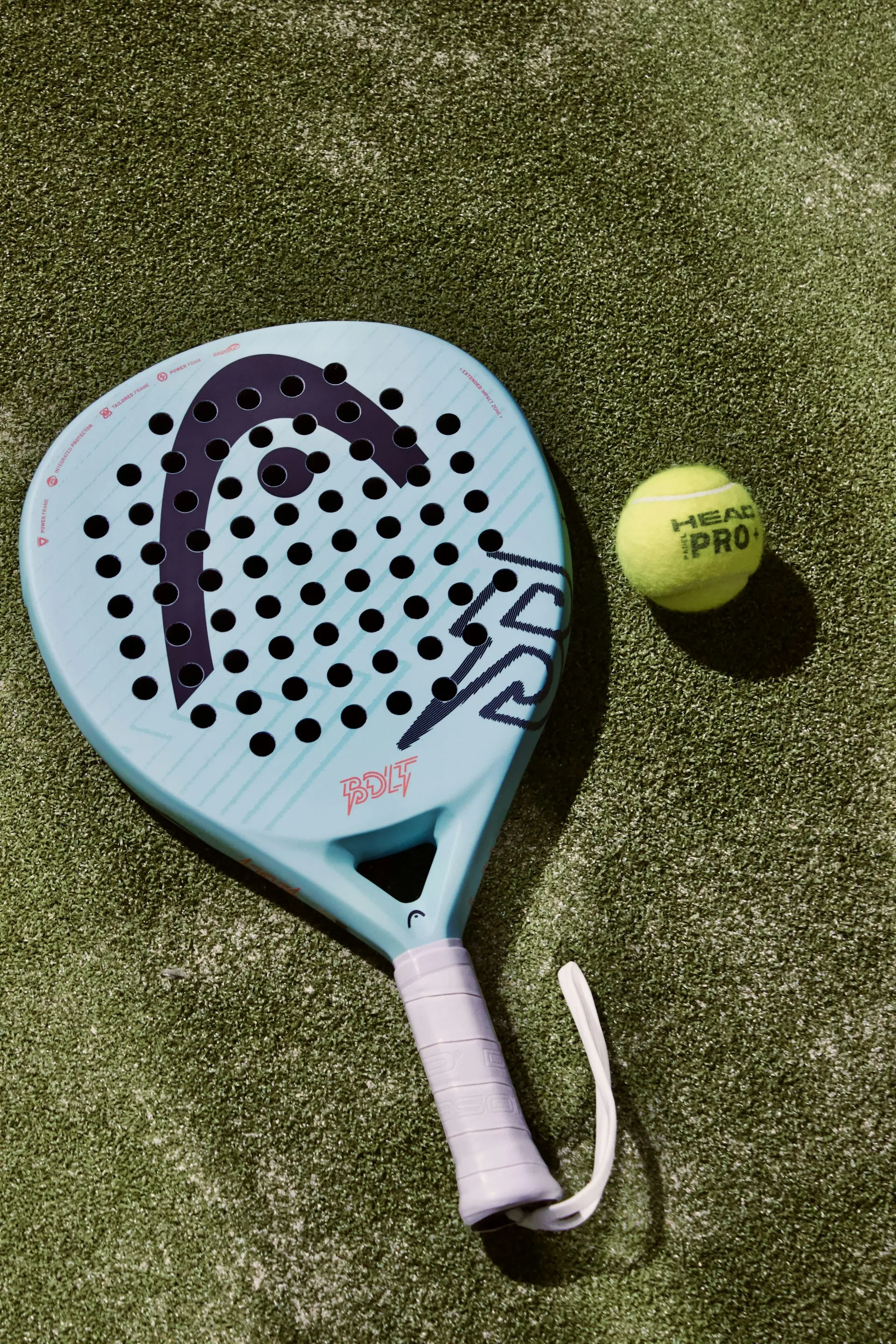
From wooden paddles of the 1970s to carbon-fibre rackets with aerodynamic designs — padel equipment has undergone a transformation comparable to tennis rackets. Technology has made the game faster, more powerful, and more accessible.
Russia’s padel story is one of the fastest growth trajectories in the sport’s history: from zero courts in 2012 to over 560 in 2025, with a market valued at 6.2 billion rubles. The CIS region — Kazakhstan, Belarus, Georgia, and others — is following close behind.
How Padel Arrived in Russia
The Pioneer: Cristian Tarruella
Padel was brought to Russia by Cristian Tarruella, an Argentine-born padel enthusiast who built the country’s first court in Voronezh in 2013. Tarruella saw the potential in a country of 146 million people with virtually no awareness of the sport. His initial court served as a proof of concept: once Russians tried padel, they returned.
Early Growth (2013–2019)
The first years were slow. Courts were concentrated in Moscow and Voronezh, and padel was seen as an exotic curiosity. By 2019, Russia had approximately 30 courts, mostly in private fitness clubs.
Key milestones:
2013: First court built in Voronezh by Cristian Tarruella
2015: First courts appear in Moscow
2018: ~15 courts nationally; first informal tournaments
2019: ~30 courts; growing community of players in Moscow and St. Petersburg
The Explosion (2020–2025)
The COVID-19 pandemic paradoxically accelerated padel’s growth. As an outdoor or semi-outdoor sport played in small groups of four, padel was one of the first activities to resume after lockdowns. Investors noticed the global trend and began building courts rapidly.
Year
Courts in Russia
Growth
2019
~30
—
2020
~60
+100%
2021
~120
+100%
2022
~200
+67%
2023
~350
+75%
2024
~480
+37%
2025
~568
+18%
[UNVERIFIED] The 60× growth in court numbers over five years (2019–2025) makes Russia one of the fastest-growing padel markets in the world.
Key Statistics
Metric
Value
Courts (2025)
~568
Active players (estimated)
~20,000
Market size
6.2 billion RUB (~€57 million)
Public awareness (ВЦИОМ poll)
26% have heard of padel
Willingness to try (ВЦИОМ poll)
61% of those aware said they would try
Major cities with courts
Moscow, St. Petersburg, Voronezh, Kazan, Krasnodar, Sochi, Novosibirsk
The Federation Landscape
Федерация падел России (ФПР)
The Padel Federation of Russia (ФПР) was accredited by the FIP (Federación Internacional de Pádel) in 2024, giving Russia official standing in the international padel community.
ФПР organises:
National championship (since 2023)
Regional tournaments across major cities
Youth development programmes
Coach certification courses
[DISPUTED] The “Federation War”
Russia’s padel community has experienced a period of institutional conflict, with two competing organisations claiming to represent padel in the country. The dispute centred on which body had the right to represent Russia at FIP and organise national competitions.
The FIP’s accreditation of ФПР in 2024 largely resolved the issue at the international level, though some tensions remain at the regional level.
Russian Players on the International Stage
Yana Sharifova
The most prominent Russian padel player internationally. Sharifova reached #21 in the FIP world rankings, making her the highest-ranked Russian player in history. She competes on the international circuit and serves as an inspiration for the growing Russian padel community.
The Russian National Team
Russia has fielded national teams at FIP events since 2023. While not yet competitive with powerhouses like Spain, Argentina, or Italy, the team represents significant progress for a country that had zero padel infrastructure a decade ago.
Geography of Russian Padel
Moscow
The undisputed centre of Russian padel. Moscow has the largest concentration of courts, the most active tournament scene, and the highest-level players. Major clubs include facilities in the city centre, business districts, and suburban sports complexes.
St. Petersburg
The second city of Russian padel, with a growing community and several multi-court venues. The long winter makes indoor facilities essential — most St. Petersburg courts are covered or fully indoor.
Southern Russia
Krasnodar and Sochi benefit from milder climates, allowing longer outdoor seasons. Sochi’s tourism infrastructure has embraced padel as an amenity at resort hotels.
Other Cities
Courts are now present in Voronezh (historically the first), Kazan, Novosibirsk, Ekaterinburg, and Samara, among others. The geographic spread reflects padel’s transition from a Moscow curiosity to a national sport.
Market and Business
The Russian padel market is estimated at 6.2 billion rubles (~€57 million), encompassing:
Court construction — the largest segment; new venues are being built at a pace of 80–100 courts per year
Equipment sales — imported rackets, balls, and accessories (primarily from Spain)
Coaching — growing demand for certified instructors; many coaches are Spanish or Argentine expats
Tournaments — entry fees, sponsorships, and media coverage
Business Model Challenges
High construction costs — importing glass panels and specialised materials is expensive
Climate — most of Russia requires indoor or covered courts, adding to costs
Limited domestic manufacturing — almost all equipment is imported
Low awareness — despite growth, padel remains unknown to the majority of the population
CIS Countries
Kazakhstan
The most developed CIS padel market after Russia. Kazakhstan has approximately 17 courts (2025), concentrated in Almaty and Astana. The country’s growing middle class and interest in Western sports trends are driving adoption.
Belarus
Padel arrived in Belarus around 2021. The 375 Padel Club in Minsk operates 8 courts and serves as the primary hub for the Belarusian padel community. The country has begun organising local tournaments.
Georgia
Georgia has embraced padel with characteristic enthusiasm. The country has hosted FIP Bronze-level tournaments, attracting players from across the region. Tbilisi has several modern venues.
Azerbaijan
Baku’s luxury sports infrastructure has incorporated padel courts, particularly in high-end hotel and residential developments. The market is still nascent but growing.
Uzbekistan
The newest CIS entrant to padel. First courts appeared in Tashkent in 2023–2024, targeting the expatriate community and affluent locals.
Ukraine
Despite the ongoing conflict, padel infrastructure had been developing in Kyiv and Odessa before 2022. The long-term outlook depends on the geopolitical situation, but the pre-war trajectory was promising.
Challenges and Opportunities
Challenges
Climate: The long, cold Russian winter requires expensive indoor facilities
Awareness: 74% of Russians have never heard of padel (ВЦИОМ)
Cost: Court time remains expensive relative to average incomes, limiting mass adoption
Infrastructure: Importing construction materials and equipment adds significant costs
Coaching shortage: Qualified padel coaches are scarce; many rely on tennis coaches adapting their skills
Opportunities
Massive untapped market: 146 million people with growing sports participation
Tennis infrastructure: Existing tennis venues can add padel courts relatively easily
Youth appeal: Padel’s social, accessible nature resonates with younger demographics
Government support: Sports infrastructure development is a policy priority
CIS expansion: Russia can serve as a hub for padel development across the CIS region
Timeline
Year
Milestone
2013
First court in Voronezh (Cristian Tarruella)
2015
First courts in Moscow
2018
~15 courts; first informal tournaments
2019
~30 courts
2020
~60 courts; COVID accelerates interest in small-group outdoor sports
2021
~120 courts; first formal tournaments
2022
~200 courts; Padel Federation of Russia gains momentum
2023
~350 courts; first national championship; first FIP tournament entries
2024
~480 courts; ФПР accredited by FIP; Sharifova reaches #21 FIP