The Growth of Padel in Spain
Spain is the undisputed world capital of padel. With over 17,000 courts and roughly 6 million players, padel has become the country’s second most popular sport after football, transforming from an elite pastime on the Costa del Sol into a national phenomenon.
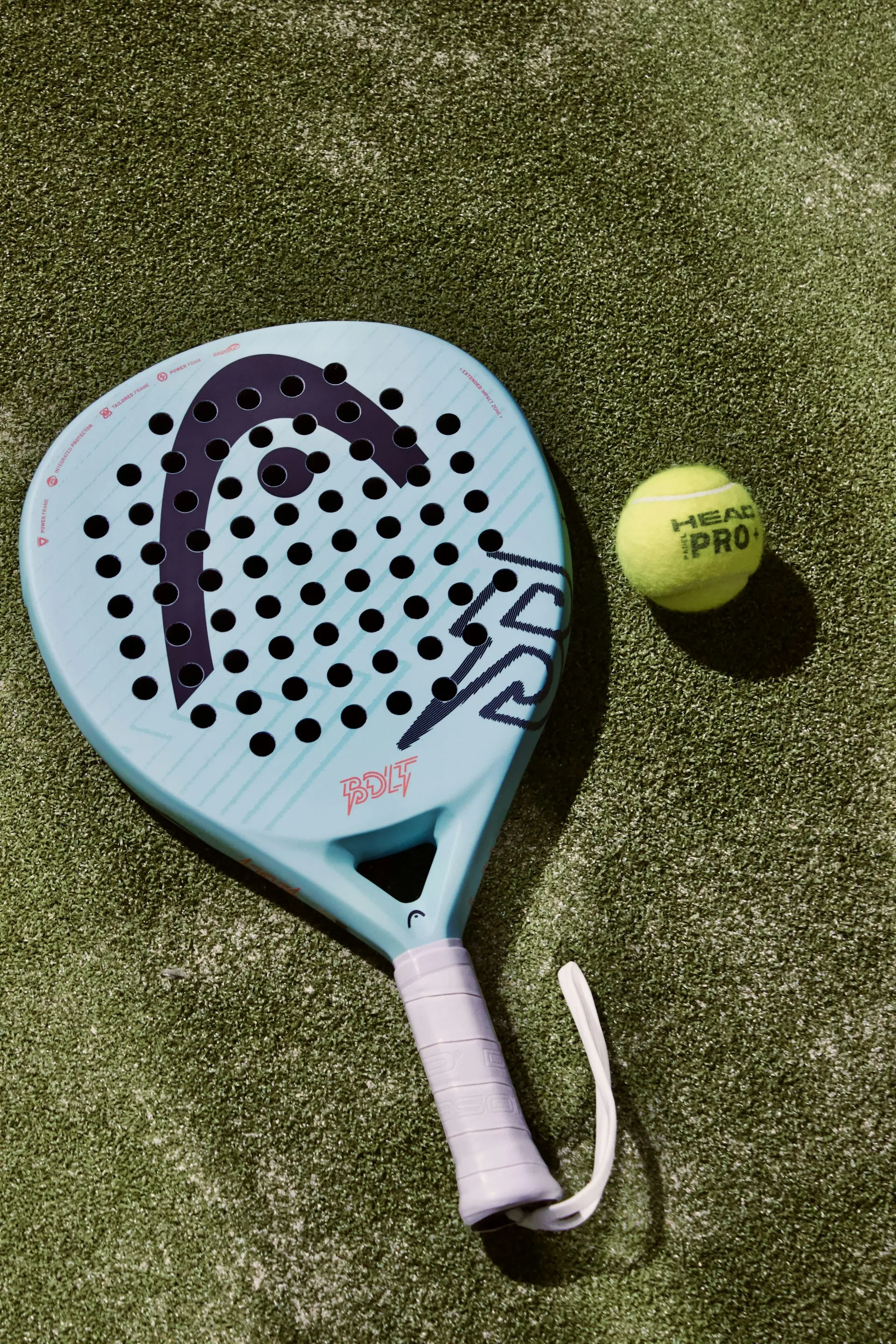
Photo: OANA BUZATU / Unsplash / Unsplash License
Arrival in Spain
The history of padel in Spain begins with one man — Alfonso de Hohenlohe-Langenburg, a Spanish-German aristocrat and owner of the legendary Marbella Club hotel on the Costa del Sol.
In 1974, after visiting Enrique Corcuera in Mexico, Hohenlohe was so taken with the new game that he decided to bring it to Spain. He built the first two courts at his hotel in Marbella. Among the first players were hotel guests drawn from European aristocracy, business leaders, and celebrities, including the legendary Spanish tennis player Manolo Santana — a four-time Grand Slam champion.
New courts soon began to appear along the Costa del Sol. In 1975, Argentine millionaire Julio Menditeguia discovered padel in Marbella and took the sport to his home country — sparking a parallel boom on another continent.
The 1990s Boom
Throughout the 1980s, padel spread gradually across Spain but remained largely a pastime for the well-to-do on the southern coast. Everything changed in the early 1990s.
Key milestones:
- 1992 — the Spanish Padel Federation (FEP) was founded, giving the sport official standing
- 1993 — padel was officially recognised by Spain’s Superior Council of Sports (Consejo Superior de Deportes)
- A wave of court construction swept the country — from Andalusia to Catalonia, from Madrid to the Basque Country
- The first professional tournaments were held on Spanish soil
[UNVERIFIED] By the end of the 1990s, Spain had more than 5,000 courts and over one million regular players.
Several factors drove padel’s transformation from an elite sport to a mass phenomenon:
- Affordability: a padel court is cheaper to build and maintain than a tennis court
- Social format: the doubles-only format (always four players) is perfect for groups of friends
- Easy entry: basic skills are learned faster than in tennis
- Climate: Spain’s mild weather allows year-round play
Spain — the World Capital
Today Spain leads the world of padel across every key metric.
Statistics
| Metric | Figure |
|---|---|
| Number of courts | ~17,300 (1st in the world) |
| Number of players | ~6 million |
| Registered clubs | 3,500+ |
| Ranking among sports | 2nd (after football) |
| Courts per capita | Among the highest in the world |
According to the FIP World Padel Report 2025, Spain remains the absolute global leader in court numbers, ahead of Italy (10,220) and Argentina (7,000). In mature markets such as Spain, the number of padel courts has already surpassed the number of tennis courts.
The Culture of Padel
In Spain, padel is more than a sport. It is a social phenomenon and an integral part of everyday life.
Afterwork Padel
One of the most distinctive features of Spanish padel culture is “afterwork padel.” After the working day, colleagues and friends gather on court for a match that ends with dinner or drinks together. Booking a court for Thursday or Friday evening is as much a part of the social routine as going to a bar.
A Sport for Everyone
- Age: players range from children of 5–6 to retirees in their 70s
- Gender: padel is one of the few sports with near-equal male and female participation
- A family sport: parents play alongside children; family leagues exist
- A corporate sport: inter-company tournaments are common practice
Infrastructure
Padel clubs in Spain are full-fledged social centres with cafes, equipment shops, lounge areas, and playgrounds. Many municipalities build public courts available for booking at a minimal fee.
The Role of Stars
Spanish and Argentine champions competing in Spain have played a huge role in popularising the sport.
Fernando Belasteguin is considered by many to be the greatest padel player of all time. An Argentine who made Spain his second home, he held the world number-one ranking for 16 consecutive years and won 230 tournament titles. His career inspired a generation of Spanish players.
Carolina Navarro is one of the greatest Spanish padel players. Partnering with Cecilia Reiter, she dominated women’s padel from 2010 to 2014, winning 24 titles including the prestigious 2012 Master Final.
Gemma Triay, from Menorca, is one of the most dynamic and aggressive players on the current tour. Her powerful smashes and passionate on-court presence have won fans worldwide.
Arturo Coello is a rising star of Spanish padel. At just 23, partnering with Argentine Agustin Tapia, he reached the world number-one ranking, proving that the next generation of Spanish players is ready to carry the sport forward.
Current Status
Padel continues to grow in Spain and to consolidate its position as the country’s second most popular sport.
- Premier Padel holds key tournaments in Spain, including the season-ending finals in Barcelona
- The Spanish women’s team has won multiple World Padel Championships
- Major sports brands (Adidas, Head, Bullpadel, Nox) have headquarters or key offices in Spain
- Television broadcasts of matches attract audiences in the millions
- Padel has been included in school sports programmes in several regions
[UNVERIFIED] Some estimates suggest that Spain could have more than 25,000 courts by 2030.
Growth Timeline
| Period | Event |
|---|---|
| 1974 | Alfonso de Hohenlohe builds the first two courts in Marbella |
| 1975 | Julio Menditeguia takes padel from Marbella to Argentina |
| Late 1970s | First clubs beyond the Costa del Sol |
| 1980s | Gradual spread across southern Spain |
| 1992 | Spanish Padel Federation (FEP) founded |
| 1993 | Padel officially recognised as a sport |
| 1990s | Mass boom: thousands of courts built |
| 2005 | World Padel Tour (WPT) created — a professional tour based in Spain |
| 2010s | Padel becomes the second most popular sport after football |
| 2022 | Launch of Premier Padel — a new global tour |
| 2025 | ~17,300 courts, ~6 million players, world leadership |
The light is on for free. But someone has to clean the lantern.
☕ Support on Ko-fi