Globo / Lob
The globo, or lob, is a defensive shot in padel where the ball is sent in a high arc over the heads of opponents at the net. It is the primary defensive weapon, allowing players to push opponents back from the net and seize the initiative.
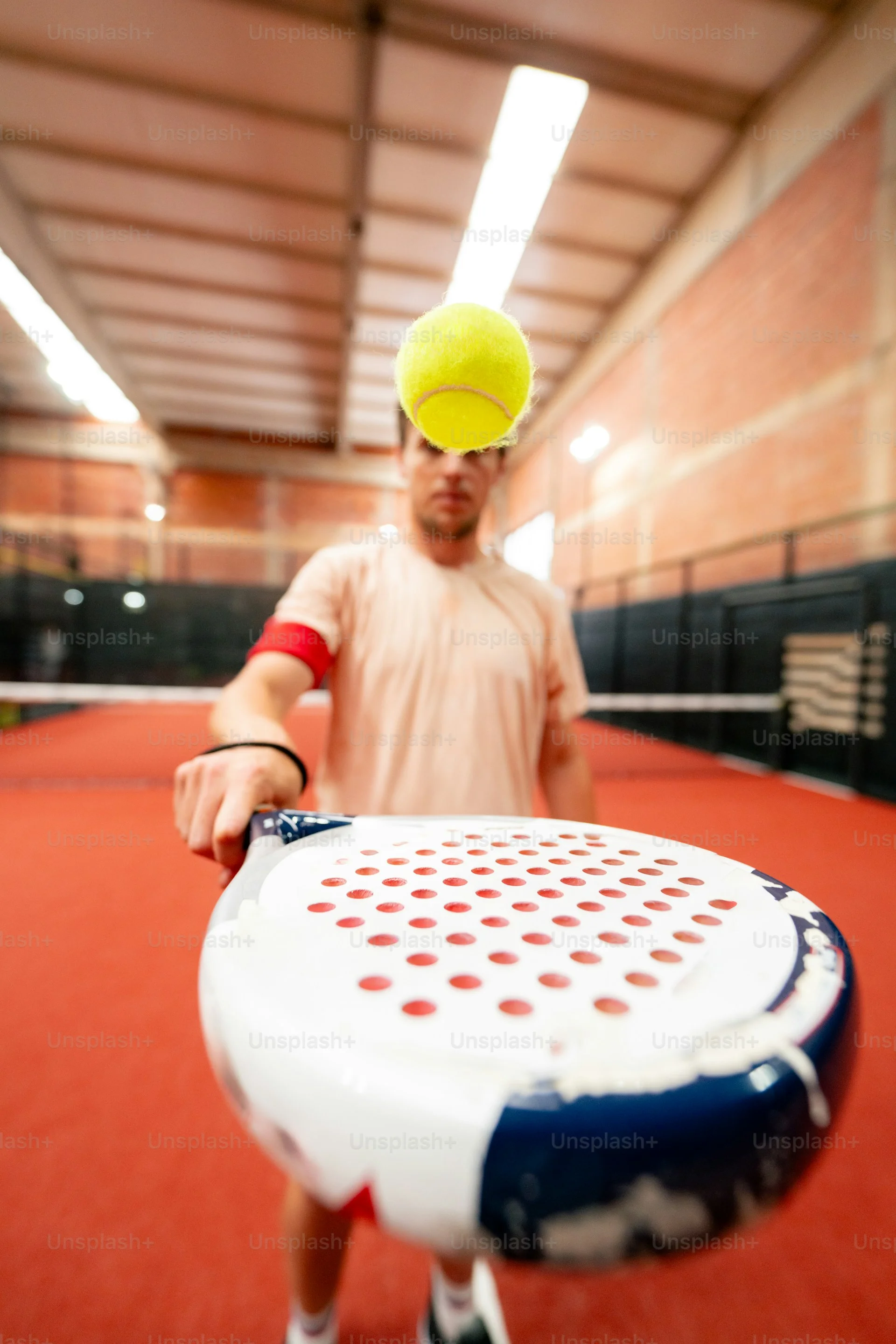
Photo: Fellipe Ditadi / Unsplash
Photo: Fellipe Ditadi / Unsplash / Unsplash LicenseWhen to Use
The globo is a fundamental shot in padel and arguably the most important defensive tool in every player’s arsenal. In padel, where controlling the net position is the key to winning, the lob is the primary way to strip opponents of that advantage.
Key situations for the lob:
- Defense from the back of the court. When you are pushed back to the rear wall and cannot attack, the lob is the safest and most effective response.
- Seizing the initiative. A well-placed lob forces opponents to retreat from the net, giving you the opportunity to take their place and gain control of the rally.
- Buying time. A high lob gives you time to reposition, recover, and prepare for the next shot.
- Against aggressive opponents. If opponents are playing very close to the net, a lob over their heads is the ideal tactical move.
Technique
Grip
For the basic lob, a continental grip or semi-western grip works well. The choice depends on which stroke you use to execute the lob:
- Forehand lob: Many players use a semi-western grip, which provides a natural racket face opening to lift the ball.
- Backhand lob: Continental or eastern backhand grip — depending on whether you play with one or two hands.
The key principle: the grip must allow you to open the racket face upward to send the ball on a high arc.
Footwork
Proper footwork during the lob is often underestimated:
- Early positioning. Identify where the ball is going and move to the contact point early. Do not wait for the ball to come to you.
- Stable stance. Transfer weight to the front foot at the moment of contact (for right-handers: left foot on the forehand, right foot on the backhand).
- Low center of gravity. Bend your knees slightly. Many lobs are played off low balls — the lower you get, the easier it is to get the racket under the ball.
- Forward movement after the shot. Immediately after the lob, begin moving toward the net. The lob is not just a defensive shot — it is the start of the transition from defense to attack.
Lob (Globo) Trajectory
Types of Lobs
Flat Lob
The basic lob for beginners:
- The racket moves from low to high and forward
- The racket face is open (tilted upward)
- The ball travels on a high parabolic arc
- Minimal spin — the ball flies predictably
- Main target: the ball should pass over opponents’ heads and land in the back third of the court
Topspin Lob
An advanced technique:
- The racket brushes up on the ball with additional forward rotation
- Topspin causes the ball to drop faster after reaching its peak
- The ball “dives” downward, making it harder to intercept
- After bouncing, the ball accelerates and moves away from the back wall — extremely difficult to return
- Requires significantly more skill and coordination
Direction
Direction choice is a key tactical element:
- Cross-court (diagonal). The recommended option in most situations. A diagonal lob covers a longer path, providing a greater margin for height and depth. It also uses more of the court, increasing the chances of success.
- Down the line. A riskier option with less margin for error. Used when the opponent on the line side is positioned far from the back wall, or for the element of surprise.
[EXPERT OPINION] Beginners are advised to play 70-80% of their lobs cross-court. This is the safest and most effective option. As your level improves, you can add down-the-line lobs for variety and tactical purposes.
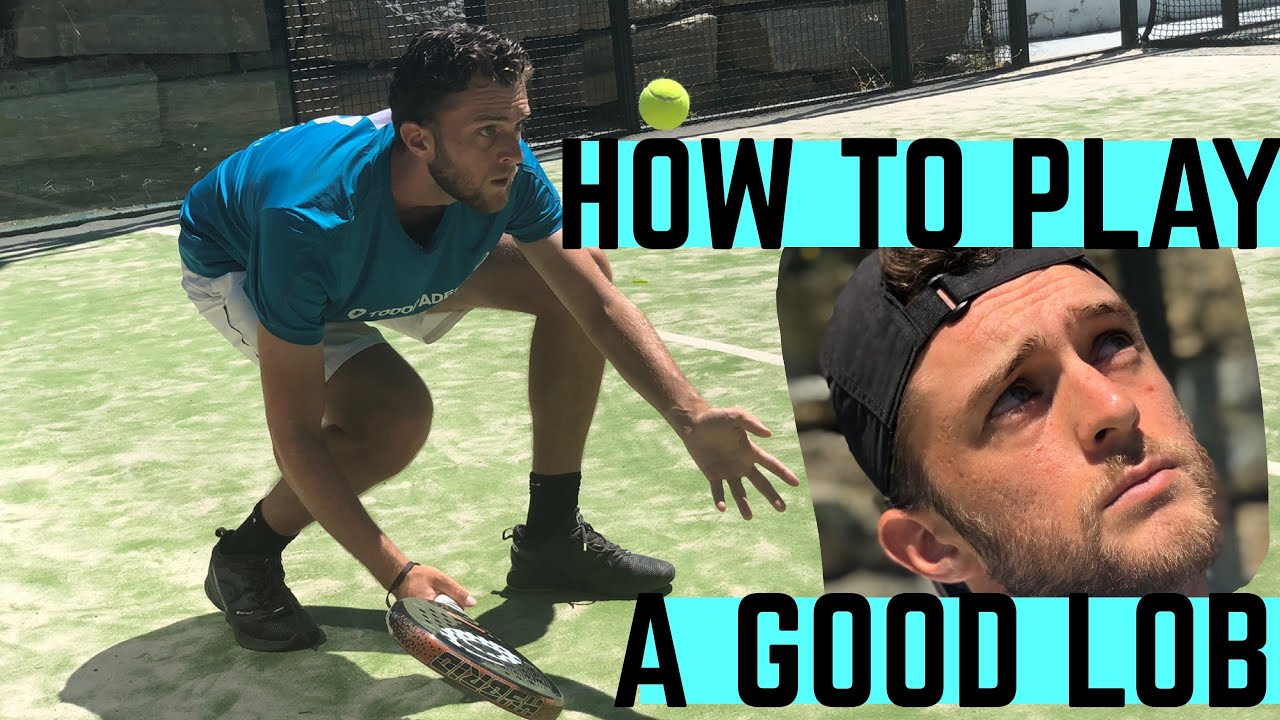
Video Tutorial
Common Mistakes
Lob too short. The most dangerous mistake. A short lob is a gift for opponents: an easy smash or vibora. It is better to overshoot past the back wall (out) than to give away an easy ball at the net. Height is your friend.
Insufficient height. Many beginners are afraid to hit high and play lobs that opponents easily intercept at head level. The ball must pass well above the opponents’ outstretched arms — at least 1-1.5 meters above.
Lob without moving forward. The lob is not only a shot but also a tactical tool for transitioning to the net. If you play a good lob but remain at the back wall, you have wasted half its value.
Same direction every time. If you consistently lob to the same spot, opponents will adapt. Alternate between cross-court and down the line; vary the depth.
Panic under pressure. Under pressure at the net, many players either try to drive the ball low (and make errors) or play a weak lob. Remember: in pressure situations, a deep lob is almost always the best choice.
The Lob as a Tactical Weapon
The globo is not merely a defensive shot. It is a central element of padel’s tactical system:
- Lob + net approach. The classic combination: play a deep lob, and while opponents retreat, take up the net position. Learn more about positioning in Basic Positions.
- Lob + chiquita. Alternating lobs and chiquitas from the back of the court creates maximum difficulty for opponents: they do not know whether to expect a high ball overhead or a low ball at their feet.
- Lob as a reset. When the rally is going against you, a deep lob “resets” the situation and gives you a chance to start fresh.
Drills
Lob to the zone. Mark the back third of the court with cones. A partner at the net plays volleys; you respond only with lobs. Target: 7 out of 10 lobs land in the zone.
Cross-court vs down the line. A partner calls the direction (“cross!” or “line!”) before each shot. You execute the lob in the called direction. This develops directional control.
Lob + transition. Play a lob from the back of the court, then immediately sprint to the net and take the next ball as a volley. This trains the lob-to-net transition sequence.
Height and depth calibration. Stretch a rope or tape at 4 meters high across the court (at the height of the back wall). Your task is to hit the ball over the rope so it lands before the back wall. This calibrates your sense of height.
Lob under pressure. Two players at the net continuously attack (volleys, bandejas); two players at the back defend using only lobs. Goal: hold for 2 minutes using nothing but lobs.
The light is on for free. But someone has to clean the lantern.
☕ Support on Ko-fi