Return of Serve in Padel
The return of serve is the first shot for the receiving pair in a rally. It is a moment when you can seize the initiative, move to the net, and turn the rally in your favour.
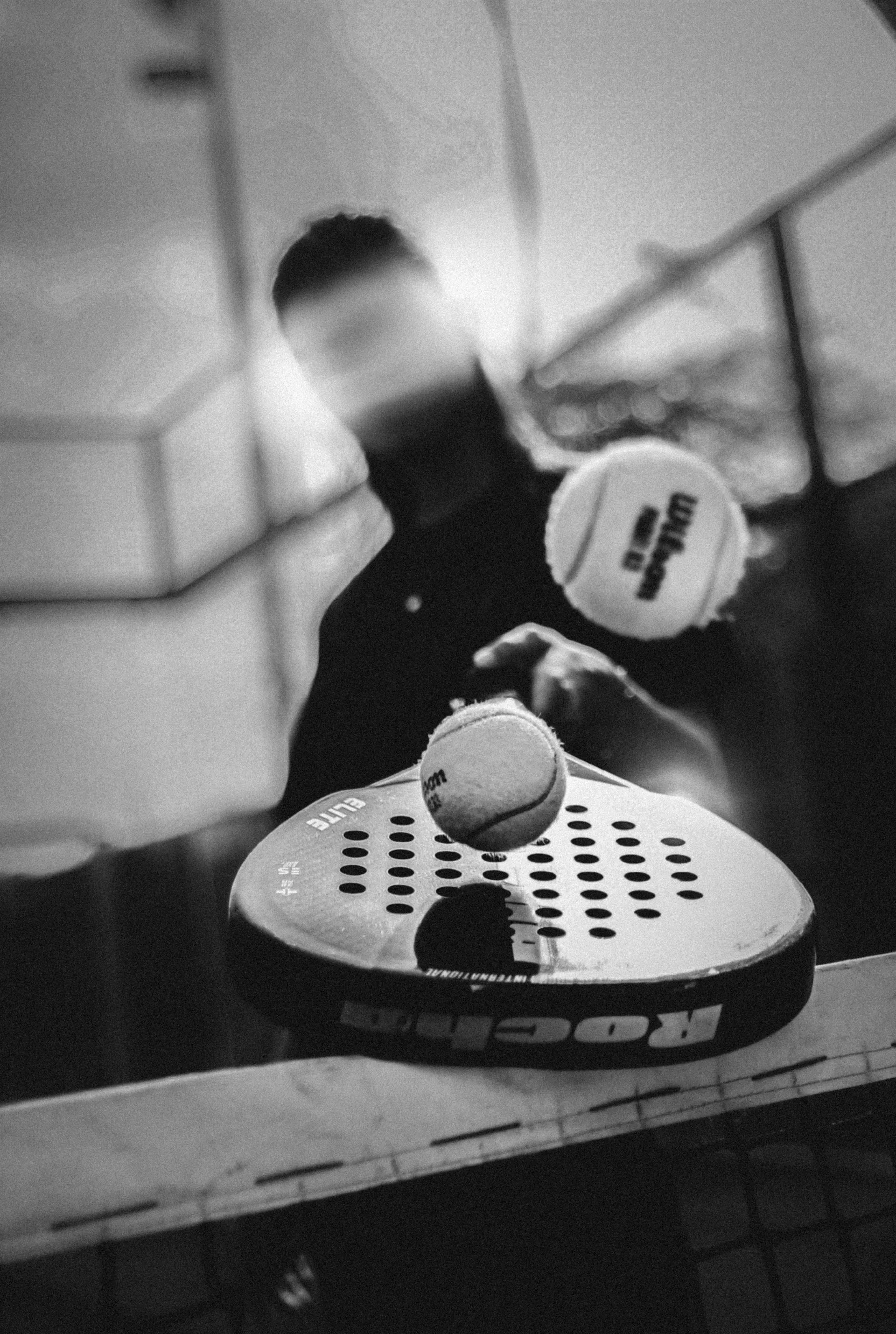
Photo credit
Photo by Fakhar Imam on Unsplash
Return Rules
Under the padel rules, the return has several specific requirements:
- The ball must bounce on the floor before being struck (you cannot volley the serve)
- The returner stands on the diagonally opposite side from the server
- The returner’s partner may stand anywhere on the court
- The receiving side (right or left) does not change during a set
Positioning for the Return
Where to Stand
The optimal position is approximately 1 metre behind the service line:
- Too close to the wall → the ball pins you against the glass with no space for a swing
- Too far from the wall → the ball arrives quickly with little preparation time
- Stand in the centre of your service box, knees bent, racket in front of you
Partner Position
The returner’s partner stands on the same line — both back. After the return, both move to the net together, as described in basic positions.
Readiness
- Low centre of gravity: bent knees, weight on the balls of the feet
- Racket in front of you at chest height
- Eyes on the server: watch their racket to read the direction
- Ready for a split-step at the moment of the server’s strike
Return Options
Lob (Primary Option for Beginners)
A soft, high shot sending the ball over the opponents’ heads toward the back wall:
- When: opponents are positioned aggressively at the net; you need to buy time
- How: open racket face, upward swing path, sufficient height
- Result: opponents retreat → you move to the net
- Direction: cross-court (diagonal) — provides more distance and time
[EXPERT OPINION] For beginners, the lob is the safest return option. If you are unsure what to do — lob. It is better than an error.
Chiquita (Intermediate Level and Above)
A low, soft shot aimed at the opponent’s feet:
- When: opponents expect a lob and begin moving back; there is 2–3 m between the opponent and the net
- How: open racket face, soft contact, low trajectory
- Result: opponent is forced to volley upward → you seize the initiative
- More detail: chiquita
Flat Return (Safe Option)
- When: the serve is not aggressive; you simply need to return the ball
- How: flat shot with control, no excess power
- Result: ball in play, minimal risk
Attacking Return
- When: weak serve; an opportunity to attack
- How: deep shot with forward movement
- Result: take the net position, apply pressure
Tactics: Lob or Chiquita?
| Situation | Lob | Chiquita |
|---|---|---|
| Opponents tight to the net | ✓ Pushes them back | ✗ They will intercept |
| Opponents have moved back | ✗ Ineffective | ✓ Ball at their feet |
| Unsure what to do | ✓ Safer | ✗ Risk of error |
| Want to approach the net | Possible | ✓ Ideal |
Key principle: alternate. If you always lob, opponents will stop approaching the net. If you always play the chiquita, they will be waiting. Unpredictability is your weapon.
The Cardinal Rule of Returning
Keeping the ball in play matters more than shot quality.
An error on the return is a gifted point. A weak return is better than a beautiful attempt into the net. The serving pair received their serve for free — do not give them the point for free as well.
Common Mistakes
Hitting too hard. Loss of control; the ball rebounds off the opponents’ walls at a comfortable height. Focus on placement.
Standing right against the wall. The ball pins you to the glass with no space. Stand 1 m behind the service line.
Not moving after the return. A return without approaching the net is a missed opportunity. After the shot — move forward.
Trying to “kill” the ball. An aggressive return is the most common cause of errors on the return. Control, not power.
Ignoring your partner. Both players must move to the net in sync. If you advance but your partner stays back, a gap forms.
Always the same shot. If opponents know your return — they are prepared. Alternate lobs, chiquitas, and flat returns.
Drills
Return → net approach. Partner serves, you return with a lob and immediately move to the net. Partner plays a response — you play a volley. 10 rallies.
Lob/chiquita alternation. Partner serves. Return even-numbered serves with a lob, odd-numbered with a chiquita. Goal: confident switching between shots.
Return to target. Place a cone on the opponent’s baseline (for lobs) and 2 m behind the net (for chiquitas). Goal: 6 out of 10 balls within 1 m of the target.
Match-play rallies. 2 vs 2, focus on the return: the receiving pair counts how many rallies they win after returning. Goal: win 40%+ of rallies on return.
The light is on for free. But someone has to clean the lantern.
☕ Support on Ko-fi