How to Compete in Padel Tournaments
Your first tournament is a milestone for any padel player. It does not require a professional level: most competitions are open to amateurs. This guide will help you prepare and get the most out of the experience.
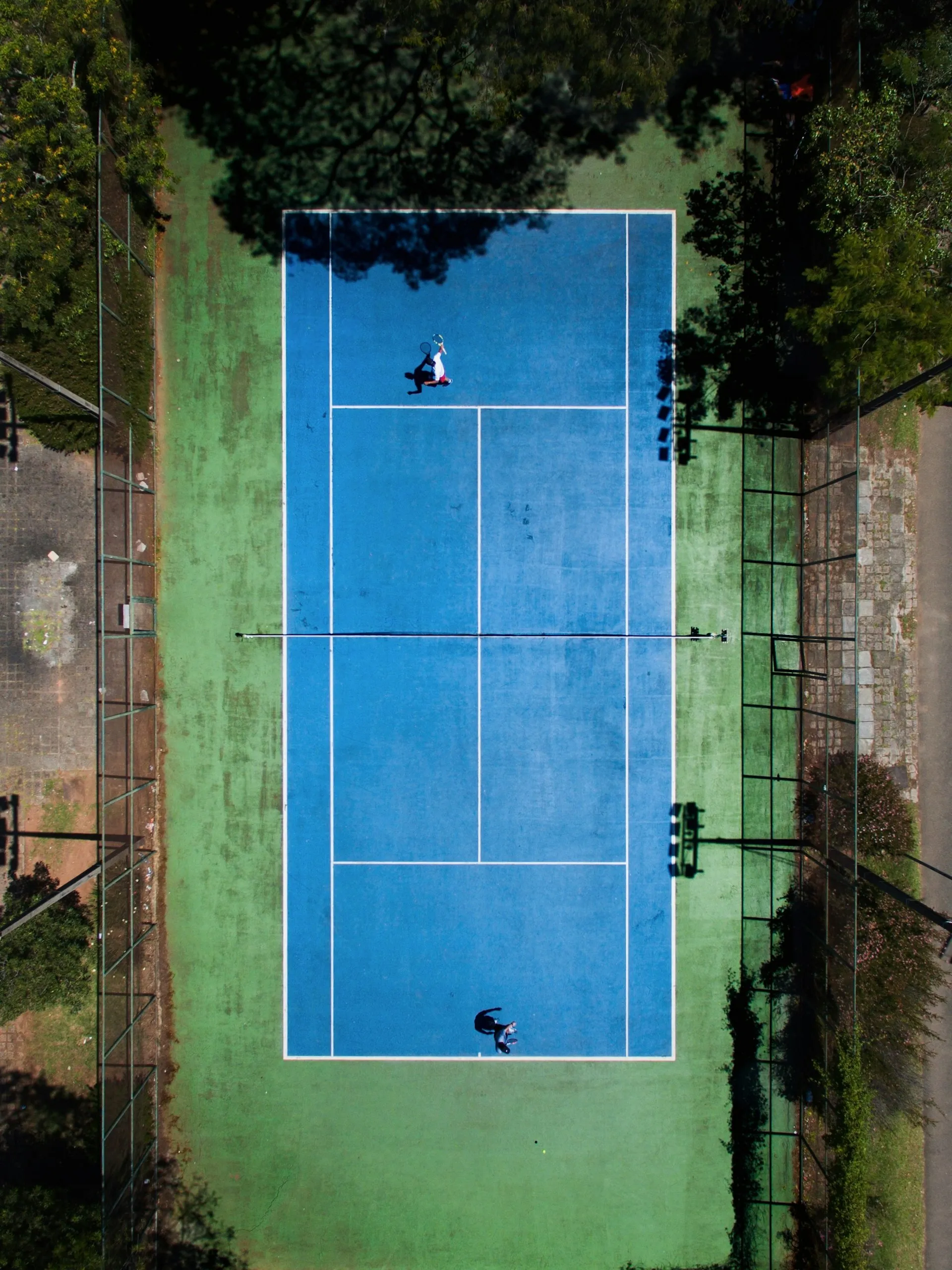
Photo: Rodrigo Kugnharski / Unsplash / Unsplash License
When You Are Ready
There are no strict criteria, but [EXPERT OPINION] consider entering if you:
- Play regularly (at least 2–3 times per week) for several months
- Can comfortably execute basic shots: serve, volley, bandeja
- Understand the scoring system
- Are familiar with the main rules
- Are comfortable playing with different partners
Tip: start with an Americano — it is social, short, and low-pressure.
Where to Find Tournaments
Club Tournaments
The most accessible option. Most padel clubs run internal events:
- Weekly Americano sessions
- Monthly club championships
- Leagues by level
How to find out: ask at the club reception, check the notice board, or follow the club on social media.
City and Regional
- City leagues (regular format over several months)
- Open tournaments (one-day events)
- Federation-organised events
Online Platforms
Many tournaments are registered through dedicated platforms:
- Playtomic
- Padel Manager
- National federation websites
- Club and community social-media pages
Registration
What You Need
| Requirement | Details |
|---|---|
| Partner | For doubles tournaments (some Americano events accept solo entries) |
| Registration | Online or at the club reception |
| Entry fee | €10–30 for amateur, €30–100 for ranked events |
| Category | Choose your level (beginner, intermediate, advanced) |
| Equipment | Racket, shoes, balls (usually provided) |
Choosing a Category
Do not overestimate your level. It is better to win in Category B than to lose every match in Category A. It is more enjoyable and better for your development.
Preparing for the Tournament
One Week Before
- Play as normal — do not suddenly increase your workload
- Work on weak spots — if your serve is inconsistent, dedicate time to it
- Rest 1–2 days before the tournament
On the Day
- Arrive early (at least 30 minutes before the start)
- Warm up — essential, 10–15 minutes
- Nutrition — eat 2–3 hours before the start
- Hydration — start drinking water early
What to Bring
- Racket (and a spare, if available)
- 2–3 change shirts
- Towel
- Water (at least 1 litre)
- Bananas or energy bars
- Headband / wristbands
- Spare shoes
Tournament Strategy
Early Matches
- Play it safe — minimise unforced errors
- Focus on serve and return — a consistent serve gives a confident start
- Communicate with your partner — agree on tactics before the match
Managing Nerves
Pre-tournament nerves are normal. What helps:
- Focus on the process, not the result
- Deep breathing between rallies
- Positive communication with your partner
- Remember: this is a game, and you are here to enjoy it
Between Matches
- Light stretching
- Replenish fluids and energy
- Brief analysis of the previous match with your partner
- Do not check other pairs’ results — stay focused on your game
Tournament Etiquette
- Be on time — arriving late may lead to disqualification
- Shake hands with opponents before and after each match
- Line calls — give the benefit of the doubt to opponents (amateur tournaments usually have no referees)
- Do not argue with opponents — if there is a dispute, refer to the organiser
- Support your partner — even after their mistakes
After the Tournament
- Cool down — 10–15 minutes of stretching
- Review — what went well, what needs improvement
- Write down takeaways — specific areas to work on in practice
- Plan the next one — regular participation accelerates progress
FAQ
Can I enter without a regular partner? Yes. Americano does not require a partner. Many clubs help match players for doubles tournaments.
How long does an amateur tournament last? Americano: 2–3 hours. Single elimination with 8–16 pairs: 4–8 hours. League: several weeks (one match per week).
What if I lose every match? That is normal for a first tournament. Losing to stronger opponents is the best learning experience. Analyse your mistakes and come back.
All our knowledge is free. Creating it is not.
☕ Support on Ko-fi